Sewage & Black Water Cleanup in Dallas, TX
A sewage backup is a biohazard, not a mess to mop. We contain it, extract in protective gear, remove what cannot be saved, disinfect, and dry your Dallas home.
☎ (469) 966-7836Call now, a live Dallas dispatcher answers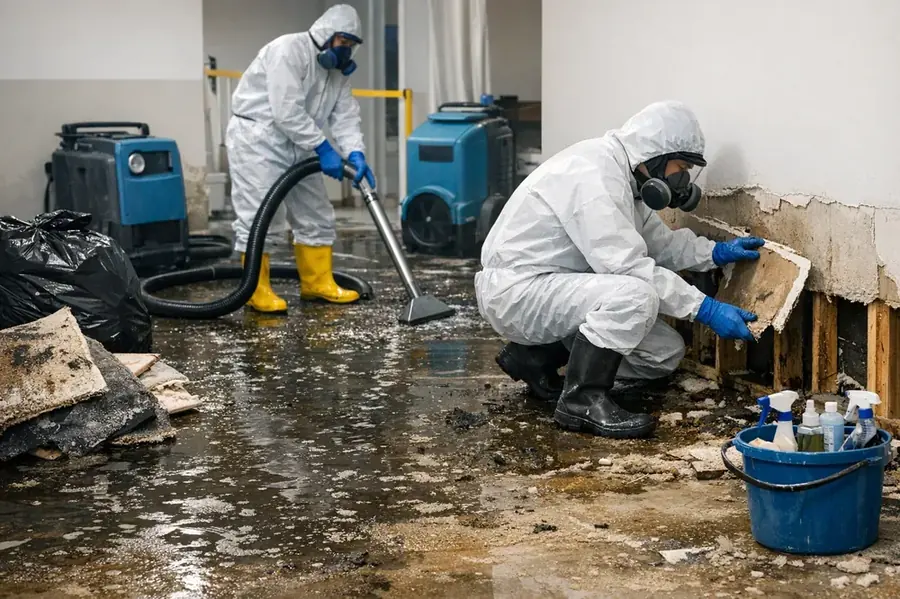
A sewage backup is the one water loss you should never clean up yourself. This is Category 3 black water, the most contaminated kind, carrying bacteria, viruses, and other pathogens that make people sick. In older Dallas neighborhoods the aging cast-iron sewer mains can surcharge during heavy rain and push waste back up through toilets and floor drains, and root intrusion or a simple blockage does the same on a dry day. When that happens, the safe move is to keep everyone clear and call for a crew with the gear to handle it.
Why sewage backs up in Dallas
Much of Dallas is served by sewer lines that were put in decades ago, and cast iron corrodes and cracks from the inside as it ages. Add a hard North Texas downpour and those mains can surcharge faster than they drain.
- Heavy rain overwhelms older mains, so water and waste surge back through the lowest fixtures in the house.
- Tree-root intrusion creeps into cracked clay and cast-iron lines and slowly chokes the flow until it stops.
- Blockages from grease, wipes, or a collapsed line send a toilet or floor drain overflowing without warning.
Why you should not clean it yourself
Black water is a health hazard, not a housekeeping problem. The U.S. Centers for Disease Control and Prevention warns that raw sewage carries bacteria and disease and calls for protective equipment and proper disinfection.
- Porous materials that soak up sewage, like carpet, pad, and the lower drywall, usually cannot be disinfected and have to go.
- Contaminants soak into subfloor and wall cavities where a mop and a bottle of cleaner never reach.
- Left wet, the area grows mold within a day or two in Dallas humidity, which the EPA notes is a separate hazard on top of the bacteria.
Our sewage cleanup process
We treat a sewage loss as the biohazard it is, from containment to a documented dry finish.
- Contain the area with barriers and negative air so the contamination does not spread through the home.
- Extract in protective gear, pulling the black water and solids with the right equipment and personal protection.
- Remove and dispose of carpet, pad, drywall, and other porous materials that cannot be saved.
- Disinfect and dry every surface with EPA-registered products, then run air movers and dehumidifiers to a verified standard.
This is very different from a clean-water loss. If your water turned out to be clean, our water extraction and structural drying teams handle it without the biohazard steps, and a storm-driven backup often overlaps with our flood cleanup work.
Clean water versus black water
Not every wet floor is the same. A supply-line leak is clean Category 1 water that can often dry in place. Sewage is Category 3 black water, and the rule is different: what it soaks into comes out, everything left is disinfected, and the space is dried to a documented standard. Guessing wrong leaves bacteria behind, so we test and treat every backup as contaminated.
Most homeowner policies cover a sudden sewer backup when you carry the backup endorsement, and Star Restoration documents the source, the materials removed, and the moisture readings for your carrier and bills them directly for the covered work.
"After a hard rain our downstairs toilet backed up into the hall and it was awful. Star Restoration showed up geared up, tore out what was ruined, disinfected everything, and dried it right. They made a scary mess feel handled."
Renee C. Oak Cliff
Why Dallas calls us first
On-site in about 45 minutes
A real person answers 24/7 and a local crew rolls the moment you call, any hour, anywhere across Dallas.
IICRC certified crews
Trained technicians with truck-mounted pumps, air movers, and moisture meters, not a mop and a bucket.
We bill your insurer
We document the loss with photos and readings and work with your carrier directly, so the paperwork is not on you.
Deep Dallas knowledge
Slab leaks on clay, freeze bursts, flash floods, and old cast-iron sewers, we know how water moves here.
From the Park Cities to Oak Cliff, all of Dallas
Seated in East Dallas at 1317 Fairview Ave, we respond across the City of Dallas and the close-in metro, day or night.
Seated in East Dallas at 1317 Fairview Ave, Dallas, TX 75223, our crews cover the City of Dallas and the close-in metro, day or night, and reach most homes in about 45 minutes.
We serve the Park Cities, Lakewood, Lower Greenville, Oak Cliff, Lake Highlands, Far North Dallas, the Design District, and Uptown.
See every neighborhood and ZIP we serve ›Related restoration services
Common questions, answered
Is a sewage backup really dangerous?
Yes. Sewage is Category 3 black water, the most contaminated category, and it carries bacteria, viruses, and other pathogens that can make you sick. Keep people and pets clear of the area and let a crew in protective gear handle the cleanup.
Can I just clean up the sewage myself?
We do not recommend it. Household cleaners and a mop leave bacteria behind in the subfloor and wall cavities, and porous materials that soaked it up cannot be disinfected. Proper cleanup needs containment, protective gear, and EPA-registered disinfectants.
Why do sewage backups happen in Dallas?
Older Dallas neighborhoods run on aging cast-iron sewer mains that can surcharge and back up in heavy rain, and tree-root intrusion or a blockage causes toilet and floor-drain overflows. Both are common in our older housing stock.
What gets thrown away after a sewage backup?
Porous materials that absorbed the black water usually have to go, including carpet, pad, and the lower section of drywall. Hard, non-porous surfaces can often be cleaned and disinfected in place. We document everything we remove for your claim.
Does insurance cover sewage cleanup?
A sudden sewer or drain backup is often covered when your policy carries a water-backup endorsement. Coverage varies, so we document the source, the materials removed, and the drying readings and bill your carrier directly for the covered work.
How long does sewage cleanup take?
It depends on how far the contamination spread and how much material has to come out, usually a few days from extraction through disinfection and drying to a verified standard. We monitor moisture daily until the structure is documented dry.
What should I do right now?
Keep everyone away from the affected area, do not run water that drains to the backed-up line, and avoid outlets near standing water. Call (469) 966-7836 and we will guide you on the way, on-site in about 45 minutes.
How much does sewage cleanup cost in Dallas?
It depends on how far the black water spread and how much porous material has to be removed and replaced. We scope the work before starting. Call (469) 966-7836 and we will explain what to expect.
Dallas's water damage crew is ready when you are
Water sitting means damage growing. Call Star Restoration and a local crew is on the way, on-site in about 45 minutes.
(469) 966-7836Call now, a live Dallas dispatcher answers